We’re proud to announce that Occano has been recognized as one of Ideal-LIVING magazine’s Top 100 Planned Amenity Communities in their 2025 “Best Places to Live” issue!
Published annually, Ideal-LIVING’s list highlights communities that go above and beyond in offering the amenities, lifestyle, and sense of place that today’s homebuyers seek. The selections are based on extensive reader surveys and reflect the most desired features—from active lifestyle offerings to scenic surroundings and community connection.
As Ideal-LIVING editor Kelly Godbey explains, “Each year, we leverage valuable insights from our readers to identify the most desirable locations and the amenities that truly elevate their quality of life.” This year’s honorees include communities with features such as golf courses, marinas, pickleball courts, walkable neighborhoods, wellness centers, and maintenance-free living—making Occano’s inclusion all the more meaningful.
Our recognition as a Top 100 Amenity Community is a reflection of the quality of life our residents experience every day. Whether you're seeking a full-time residence, second home, or a place to retire, Occano offers a lifestyle worth exploring.
See the full list of 2025’s Best Places to Live here: https://ideal-living.com/best-places/carolinas/
Top 10 Things to Do in Coastal North Carolina This Summer
From quiet waterfront getaways to seafood festivals, coastal North Carolina is a summer destination full of natural beauty, culture, and adventure. Whether you’re exploring the Inner Banks or cruising the Intracoastal Waterway, here are our favorite ways to soak up the season:
1. Boat the Intracoastal Waterway
Pack a cooler, chart your course, and experience one of the most scenic stretches of water on the East Coast. Whether you're paddling, sailing, or motoring, the ICW offers endless day-trip possibilities.
2. Explore Historic Edenton
Just a short drive from Occano, Edenton is known as one of America’s prettiest small towns. Browse charming shops, take a trolley tour, or grab a bite on the waterfront.
3. Hit the Beaches of the Outer Banks
From Nags Head to Ocracoke, the OBX offers wide beaches, rolling dunes, and relaxed beach towns perfect for a day trip or weekend getaway.
4. Cast a Line in the Albemarle Sound
Summer means prime fishing in the Sound — from striped bass to flounder. Bring your own boat or hop on a local charter.
5. Visit Roanoke Island Festival Park
Dive into NC’s coastal history with hands-on exhibits, a replica 16th-century ship, and outdoor performances in a stunning waterfront setting.
6. Eat Your Way Through a Seafood Shack Crawl
From soft-shell crab to hush puppies, nothing says summer like an open-air table, cold drink, and fresh catch of the day. Favorites include local spots in Columbia, Edenton, and Manteo.
7. Tour a Lighthouse (or Three)
Make a day of it and explore some of the state’s iconic lighthouses, like Bodie Island, Currituck Beach, or Cape Hatteras.
8. Paddle the Cashie River or Scuppernong River
Both rivers are calm, scenic, and filled with cypress trees, birdlife, and peaceful coves — ideal for kayaking or canoeing.
9. Catch a Summer Festival
Celebrate like a local with seasonal events like the Shrimp Festival in Sneads Ferry, the Watermelon Festival in Murfreesboro, or small-town Fourth of July parades.
10. Watch the Sunset at Occano
Of course, our favorite way to end a coastal Carolina day is right here at Occano — cocktail in hand, feet in the grass, and the sky lit in hues you won’t find anywhere else.
Want help planning a stay near the Albemarle Sound? Reach out to the Occano team — we’re happy to share insider tips or help book your discovery visit.
North Carolina’s diverse landscapes offer a haven for nature-loving individuals, especially those with a passion for birdwatching and wildlife observation. With a mix of coastal wetlands, mountain forests, and inland lakes, the state provides ideal habitats for a wide variety of bird species and other wildlife. The Great Dismal Swamp, located in the northeastern part of the state, is a prime spot for spotting migratory songbirds in the spring and fall, along with hawks, owls, and bald eagles. Its serene trails and boardwalks offer accessible viewing areas, making it a peaceful retreat for those seeking close encounters with nature.
 For coastal birdwatching, the Outer Banks is an unparalleled destination, home to the Pea Island National Wildlife Refuge. This area is renowned for its waterfowl, including tundra swans, snow geese, and a variety of shorebirds. As the seasons change, the refuge attracts birdwatchers from all over, especially in fall and winter when migratory flocks arrive in large numbers. The refuge also features scenic walking paths and observation decks, perfect for an easy outing with a chance to see rare and beautiful birds up close. Further south, the Alligator River National Wildlife Refuge offers diverse habitats, attracting species like red-headed woodpeckers, ospreys, and even the elusive red wolves.
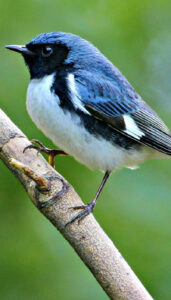
Inland, you can visit Lake Mattamuskeet, North Carolina’s largest natural lake, which becomes a winter haven for waterfowl and swans. This peaceful spot offers stunning sunrises over the lake and miles of trails where birdwatchers can catch sight of eagles, herons, and many more native species. Western North Carolina also has birding gems, like the Blue Ridge Parkway and the Pisgah National Forest, where you can enjoy mountain hikes and encounter species unique to the higher elevations, such as the black-throated blue warbler. With its variety of landscapes and plentiful viewing spots, North Carolina makes for an ideal destination for those looking to embrace their passion for birdwatching and connect with the beauty of the natural world.
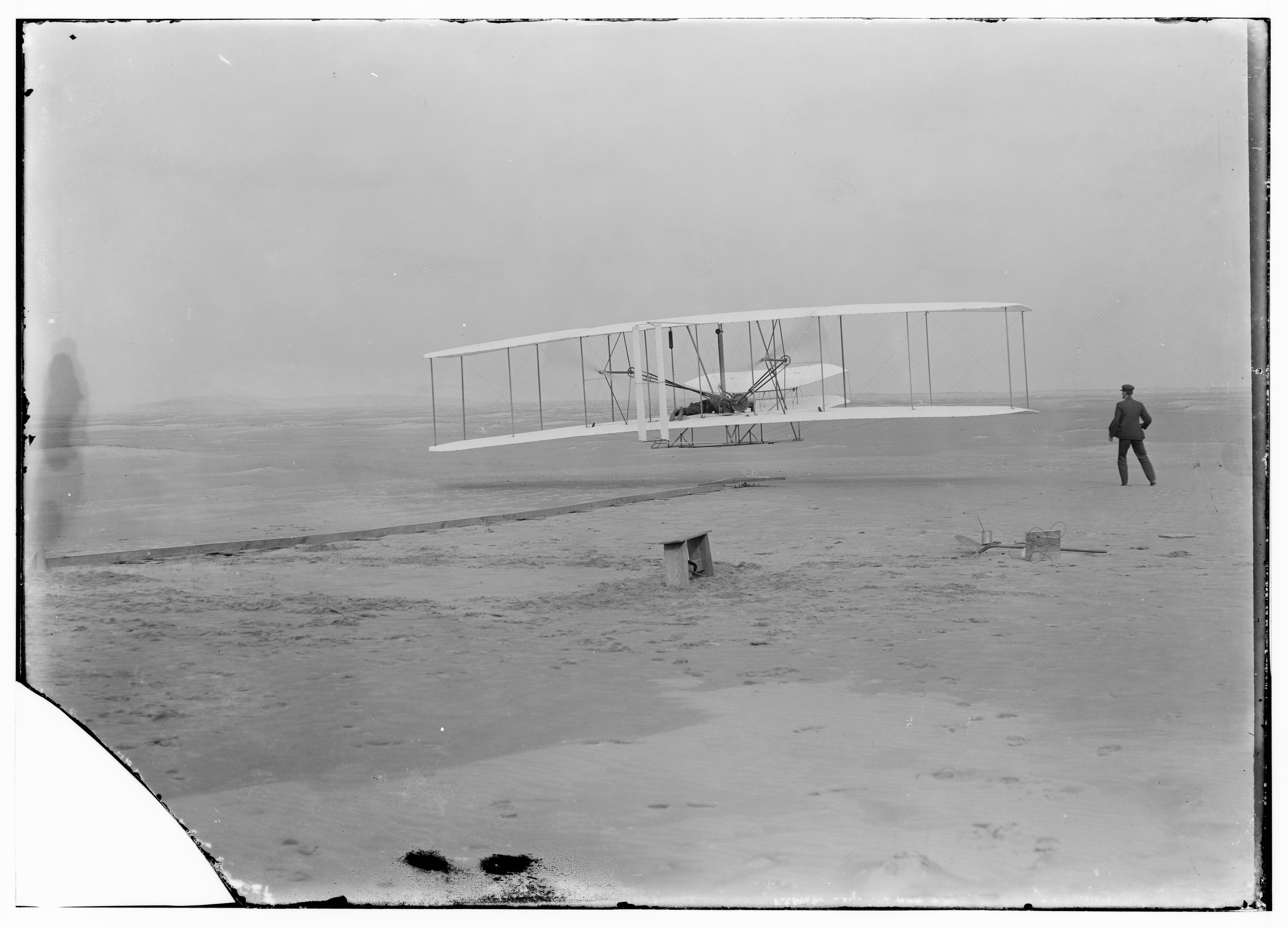
The Wright Brothers, Orville and Wilbur, made history on December 17, 1903, in Kitty Hawk, North Carolina, when they achieved the first controlled, powered flight in a heavier-than-air machine. Chosen for its steady winds and soft sands, the small coastal area provided ideal conditions for their aviation experiments. After several attempts, their successful flight that morning marked a turning point in human history, changing the future of travel, communication, and exploration. This historic feat not only demonstrated the potential of powered flight but also cemented North Carolina’s role in aviation history, leading to its state slogan, "First in Flight."
 Today, visitors can honor and learn more about the Wright brothers’ achievements at the Wright Brothers National Memorial in Kill Devil Hills, just outside Kitty Hawk. Managed by the National Park Service, this memorial features a towering granite monument on top of Kill Devil Hill, where the brothers conducted many of their early glider tests. The Visitor Center houses replicas of the 1903 Wright Flyer, interactive exhibits, and artifacts from the brothers' work, allowing visitors to explore the science, trials, and triumphs behind the first flight. There’s also a Flight Line where markers indicate the distances of the Wrights’ first four flights, giving a sense of the progression of their achievements that day.
The park also offers interpretive programs, guided tours, and special events, often celebrating milestones of the Wright brothers' journey. The area around Kitty Hawk and Kill Devil Hills has become a hub for aviation enthusiasts, history buffs, and tourists drawn to the site of one of humanity’s most significant achievements. A visit to the Wright Brothers National Memorial not only provides a glimpse into the challenges the brothers faced but also offers inspiration, reminding visitors of the power of persistence, innovation, and vision.
Nestled in the beautiful mountains of Asheville, North Carolina, the Biltmore Estate stands as a grand symbol of America's Gilded Age. This magnificent mansion remains the largest privately-owned home in the United States, built in 1895 by George Washington Vanderbilt II. Designed by famed architect Richard Morris Hunt, the estate spans an impressive 178,926 square feet and boasts 250 rooms, each one meticulously crafted to showcase the elegance and wealth of its era. Visitors can stroll through rooms filled with original furnishings, artworks, and antiques that provide a rare glimpse into the opulent lifestyle of the Vanderbilt family. The estate itself is a work of art, with every detail—from the massive library holding over 10,000 books to the intricately designed Banquet Hall with a seven-story high ceiling—capturing the essence of refined luxury.
 Beyond the mansion, the Biltmore’s extensive grounds and gardens, designed by renowned landscape architect Frederick Law Olmsted, offer another layer of beauty and serenity. The gardens, which change with each season, feature vibrant tulips in spring, lush greenery in summer, brilliant chrysanthemums in fall, and festive displays during winter. For those visiting during the holiday season, the estate becomes even more magical as it transforms for “Christmas at Biltmore.” Each room sparkles with lavish decorations, from the grand Christmas tree in the Banquet Hall to hundreds of wreaths, garlands, and twinkling lights throughout the mansion. Outside, winter casts a tranquil beauty over the gardens, perfect for a scenic walk amidst the crisp air and stunning mountain views.
The Biltmore is more than just a historic home; it’s a destination that offers a full experience of fine dining, luxury accommodations, and immersive tours. Visitors can learn about the rich history of the Vanderbilt family, delve into the architecture and artwork, or simply relax and enjoy the mountain views. During the holidays, seasonal events, live music, and special candlelight tours allow guests to soak in the warmth and charm of a Vanderbilt Christmas. Topping off a visit with a stop at the Biltmore Winery, which offers seasonal wines during winter, makes for a perfect holiday retreat. The Biltmore’s appeal has endured over time, attracting visitors from all over the world who come to appreciate not only its architectural splendor but also the peace and beauty of its natural surroundings.
In the fall, the North Carolina mountains offer a stunning display of autumn colors that draw nature lovers, photographers, and travelers from near and far. With the Blue Ridge Parkway as a scenic guide, visitors can explore vibrant trails and overlooks bursting with reds, oranges, and yellows. Hiking trails in areas like Great Smoky Mountains National Park, Linville Gorge, and Pisgah National Forest showcase not only the changing leaves but also impressive waterfalls like Linville Falls and Crabtree Falls. These trails range from leisurely walks to more challenging treks, making it easy for anyone to enjoy the season's beauty. Cozy mountain towns like Boone, Blowing Rock, and Asheville complement the scenery, with local markets selling fresh apples, cider, and seasonal treats, as well as charming inns where you can relax after a day outdoors.

North Carolina skiing.
When winter arrives, the North Carolina mountains transform into a snowy escape filled with opportunities for winter sports and cold-weather adventures. Ski resorts such as Beech Mountain and Sugar Mountain are popular destinations for skiing and snowboarding, with slopes suited to all skill levels. These resorts also offer snow tubing, a fun option for families and those looking to enjoy a winter activity without the learning curve of skiing. For those who prefer a quieter experience, snowshoeing along forested trails or cross-country skiing at higher elevations provides a peaceful way to take in the winter scenery, where snow-covered trees and icy waterfalls create a magical landscape.
Even in winter, hiking remains a beloved pastime in the mountains. Trails like the ones at Mount Mitchell and along the Appalachian Trail provide a unique and quieter experience as the landscape takes on a frosty beauty, with distant mountains capped in snow and panoramic vistas made even more striking by bare branches. A winter hike offers a refreshing retreat from the usual pace, with brisk mountain air and fewer crowds, allowing visitors to connect with nature in a serene and awe-inspiring setting. Whether you're exploring colorful forests in the fall or carving fresh tracks in the snow, the North Carolina mountains offer something unique and unforgettable for every season.
The Lost Colony of Roanoke, founded in 1587, is one of America's oldest and most tantalizing mysteries. Under the patronage of Sir Walter Raleigh, this colony was England's first serious attempt to establish a permanent settlement in the New World. Led by John White, a group of around 115 settlers (including White’s own daughter and granddaughter, Virginia Dare, the first English child born in America) arrived on Roanoke Island off the coast of modern-day North Carolina. Their ambition was to build a life in the New World, but they soon faced immense challenges, from scarce supplies to the unknown environment. When White returned to England to gather more provisions, the ongoing war with Spain delayed his return until 1590. Upon his arrival back at Roanoke, he discovered the colony deserted. The settlers had vanished, leaving only a clue to their fate, the word “CROATOAN” carved into a post.
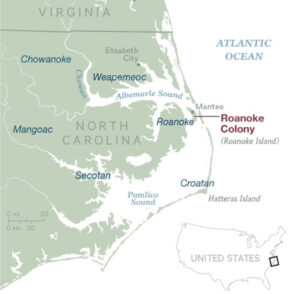 This single, carved word pointed to Croatoan Island (now Hatteras Island) to the south, where friendly Native Americans were known to live. However, when White attempted to search for his people there, severe storms forced him to abandon his plans. Over the centuries, countless theories have emerged about the colonists’ fate. Some historians believe they assimilated with local tribes, merging their lives and cultures, while others speculate that they suffered a tragic fate due to starvation, disease, or violence. Archaeological digs in the region, including recent efforts on Hatteras Island, have unearthed artifacts from the Elizabethan era, such as English copper and pottery, suggesting some settlers may have integrated with Native communities. However, no definitive evidence has yet solved the riddle, and the mystery of the Lost Colony remains.
Today, Roanoke Island preserves this haunting legacy with a historical site where visitors can step directly into the mystery. Each summer, guests are invited to experience The Lost Colony, an outdoor drama that reenacts the final days of the settlers and the mystery of their disappearance right where it all began. The site features reconstructed forts, an interactive museum, and exhibits showcasing artifacts that may offer clues to the fate of the colony. These glimpses into the past invite curiosity and exploration, with each artifact and story woven into North Carolina’s cultural fabric. Roanoke Island remains a place where new theories and discoveries keep the legend alive, captivating audiences with its tale of courage, hope, and one of history’s most enduring unsolved mysteries.
Learn More:
https://www.npca.org/articles/3604-the-lost-colony-an-outer-banks-mystery
https://www.youtube.com/watch?v=iTOKRWgjOlg
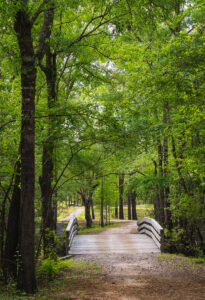
Boardwalk at Moores Creek National Battlefield, NPS Site
North Carolina's military history is both rich and deeply connected to key moments in American history. From the colonial era through modern times, the state has played a central role in the defense of the nation. One of the earliest military contributions was during the American Revolution when North Carolina militia fought in several important battles, including the Battle of Moore's Creek Bridge in 1776. This victory effectively stopped British efforts to gain control of the southern colonies early in the war. North Carolina also played a role in the Civil War, as it provided a large number of troops to the Confederacy and was the site of several important battles, such as the Battle of Bentonville in 1865. This battle, which was the largest fought in North Carolina, marked one of the last major engagements of the Civil War.
In the 20th century, North Carolina became home to several key military installations that contributed to the country’s war efforts, particularly during World War I and II. Fort Liberty (previously Fort Bragg), established in 1918, is one of the most important military bases in the country and is home to the U.S. Army’s airborne and special operations forces. The state's coastal locations also made it a prime spot for naval activities, and during World War II, the German U-boats were actively patrolling off the coast of North Carolina, sinking many Allied ships. Today, military bases like Camp Lejeune and Seymour Johnson Air Force Base continue to serve as vital training and operational centers.
The Arnold Palmer Signature Golf Course at Occano is a stunning testament to the legendary golfer's architectural brilliance. Nestled within the serene landscape of North Carolina’s coastal region, this 18-hole championship course offers a challenging yet enjoyable experience for golfers of all skill levels. Designed to harmonize with the natural surroundings, the course features rolling fairways, strategically placed bunkers, and water hazards that enhance its beauty and difficulty.
 In 2009 Occano was a ninth-place finisher in Golf Digest’s Best New survey under its first name (Innsbrook Golf and Boat Club). In 2022, the course underwent an extensive remodel that took the bunkers in a dramatic new direction and included the expansion and recontouring of the greens and green surrounds. In 2024, Golf Digest listed the course as one of the best public courses in North Carolina. The overall layout reflects Palmer’s vision of creating a course that is both playable and aesthetically captivating, making it a top destination for golfers looking to enjoy world-class facilities in a scenic environment.
What truly sets the Arnold Palmer Golf Course at Occano apart is its meticulous attention to detail and commitment to preserving the area's natural beauty. Golfers can enjoy breathtaking views of the nearby coastline as they navigate through the well-manicured greens and fairways. The course offers a variety of holes that are challenging, requiring players to balance risk and reward with each shot. Whether it’s the sweeping vistas, the challenge of the design, or the prestige of playing on a Palmer course, Occano provides a memorable golfing experience that echoes the legacy of one of the sport’s greatest icons.
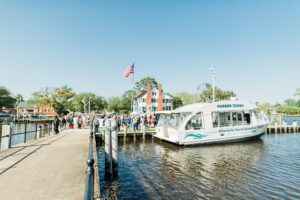 Aboard the Penelope, named after Edenton’s own Penelope Barker, leader of the revolutionary Edenton Tea Party, passengers are treated to views of the town’s historical landmarks and pristine coastline. As of Summer 2024, this ferry offers cruises for local town events, festivals, and private charters, making it a central feature in the town's tourism scene. The Moses Grandy ferry, named after a famed abolitionist and mariner, offers equally memorable voyages. While aboard, you’ll see a variety of local wildlife, historic sites such as the Roanoke River Lighthouse, and the peaceful waterfront of Edenton, all while experiencing the charm and history of the Inner Banks. These ferry rides offer an ideal way to experience the culture and natural splendor of coastal North Carolina.
Enter your email address and we will send you a link to change your password.